

Two CoEHAR Studies That Invite Rethinking
From the slopes of Mount Etna, the Sicilian Institute continues to propose a rewriting of the future of smoking, a new path for rethinking risk, addiction, and the future of public health.
In a coordinated effort bringing together researchers from Italy, Sweden, Poland, Moldova, Indonesia, and the United Kingdom, CoEHAR launched one of its most understated yet significant studies: Self-reported Oral Health Outcomes After Switching to a Novel Nicotine Pouch Technology: A Pilot Study.
Authored by Giusy Rita Maria La Rosa, Karl Fagerström, Sebastiano Antonio Pacino, Jan Kowalski, Renata Górska, Stefan Gospodaru, Gheorghe Bordeniuc, Valeriu Fala, Amaliya Amaliya, Iain Chapple, and Riccardo Polosa, the study explored a terrain often overlooked in discussions about smoking: the mouth as the first stage of devastation.
At the same time, another team led by CoEHAR, in collaboration with Lucia Spicuzza, Francesco Pennisi, Grazia Caci, Fabio Cibella, Davide Campagna, Yusuff A. Adebisi, Claudio Saitta, Jacob George, Giulio Geraci, and Riccardo Polosa, undertook a different challenge: measuring changes in cardiorespiratory capacity after switching from combustible tobacco to reduced-risk alternatives.
Published under the title Improved Aerobic Capacity in a Randomized Controlled Trial of Noncombustible Nicotine and Tobacco Products, the study relied on a foolproof metric—maximum oxygen consumption (V̇O₂max)—and an accessible exercise test—the Chester Step Test—to map out this physiological transformation.
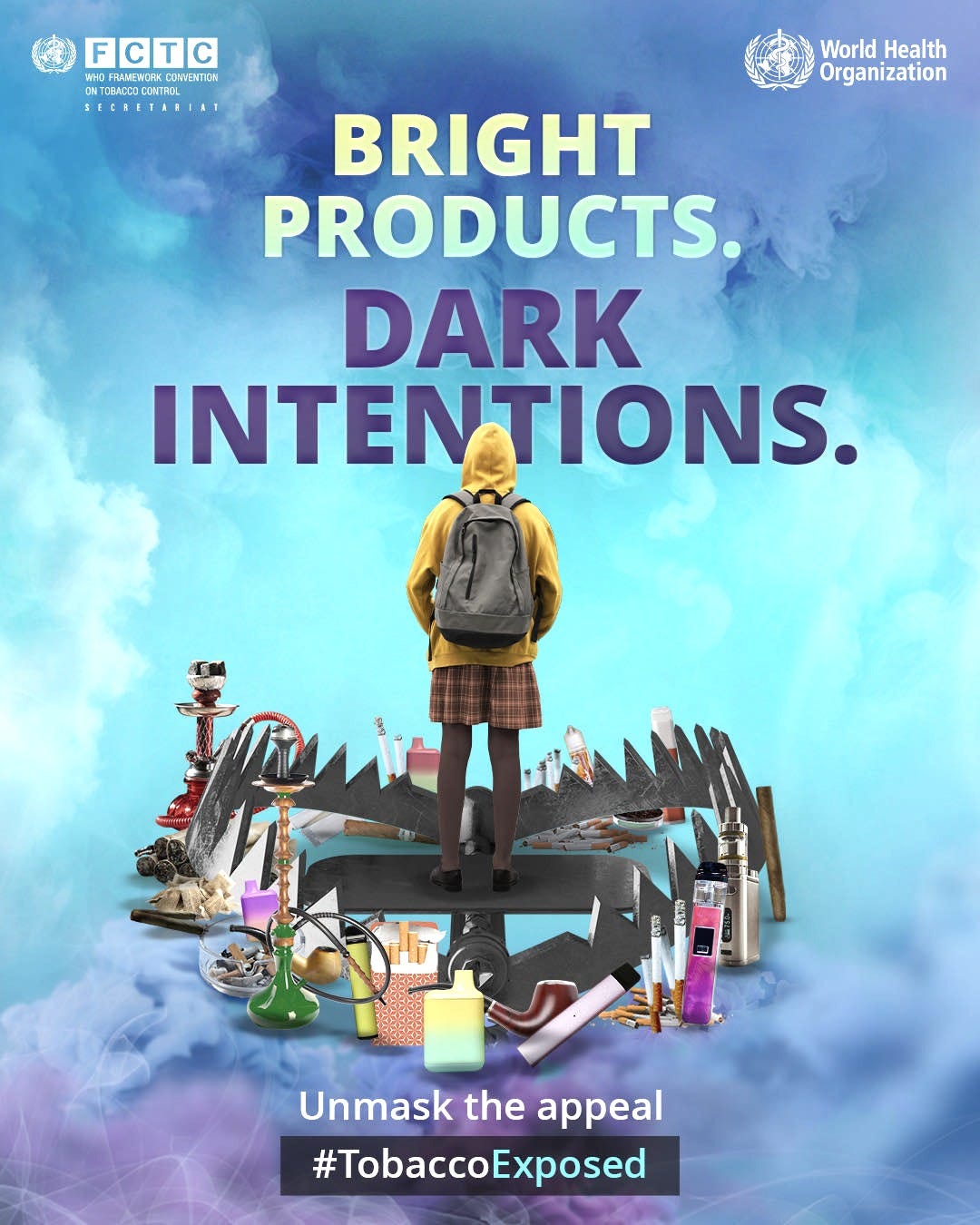
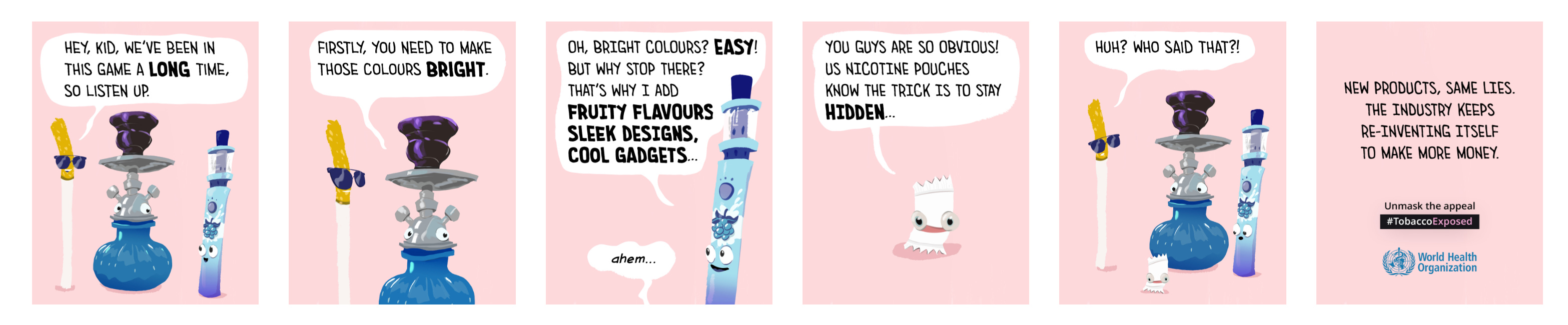
After observing the speeches, communication materials, and overall tone surrounding the most recent World No Tobacco Day, an uncomfortable yet inevitable conclusion emerges: anti-smoking campaigns seem to have settled into barren ground.
What began as a crusade driven by the urgency to save lives now appears to have fossilized into repeated slogans, more focused on preserving dogma than on deciphering the silent mutations of reality. As this mindset fails to renew its connection with evidence, smoking—like a stubborn, deaf machine—continues to find new ways to entangle bodies, wills, and entire life stories.
It is precisely on the margins of this disillusionment that, at the foot of Mount Etna —in that Sicily of black soil, wind-twisted almond trees, and vines clinging to the abyss— another possibility begins to take shape. Since 2018, the Center of Excellence for the Acceleration of Harm Reduction (CoEHAR) at the University of Catania has been outlining the contours of a future few dare to imagine: a future where consuming nicotine is not synonymous with condemnation, but perhaps a gateway to a less toxic, less shortened life.
Two recent studies, conducted by this Italian institute, persist in eroding—patient as the tides—some of the most entrenched certainties of the anti-smoking discourse. They do not merely suggest that it is possible to mitigate the damage associated with nicotine consumption; instead, they present tangible—almost tactile—evidence of concrete improvements in oral health and cardiorespiratory capacity among those who switch to next-generation products. In a debate worn down by alarmist slogans and ossified certainties, these findings crack open a fissure—small but luminous: a sliver of possibility that invites not just a rethinking of addiction, but a reimagining of how we approach its solutions.
Under the shelter of rigorous research, CoEHAR has been shaping a hypothesis that challenges old reflexes: alternatives like electronic cigarettes and heated tobacco products not only mitigate harm but also appear to induce measurable improvements in cardiorespiratory health.
In just twelve weeks, individuals who abandoned combustible cigarettes in favor of exclusive use of these products recorded clinically significant increases in their maximum oxygen consumption (V̇O₂max)—that silent yet unmistakable marker of aerobic fitness and vascular vitality (Spicuzza et al., 2025).
At the same time, emerging technologies—such as impermeable-barrier nicotine pouches—have begun to write a different story in their users' mouths: fewer lesions, less irritation, and a tangible decrease in the adverse oral conditions that for decades were the invisible signature of products like snus (La Rosa et al., 2025).
The End of Silent Deterioration
For decades, the smoker’s mouth has told a tragedy few wanted to hear. Receding gums, mucosal lesions, periodontal disease—subtle signs of devastation that didn’t need to scream to be lethal. Smoke, laden with over seven thousand toxic compounds—many classified as carcinogens or mutagens—left its indelible mark on millions of mouths worldwide. Not even non-combustible nicotine delivery products, such as snus or early generations of pouches, managed to dispel the shadow of suspicion completely: the damage, though much smaller and subdued, continued to write its story in the invisible folds of the mucosa.
To shed light on this still gray area, a group of CoEHAR researchers, in collaboration with universities and clinics from Sweden, Poland, Indonesia, Moldova, and the United Kingdom, undertook a pilot study whose meticulousness bordered on the artisanal.
For five weeks, twenty-three Swedish dentists—habitual users of snus or pouches—were invited to replace their usual products with a newly designed pouch: the Stingfree Strong Blue Mint. Conceived with an internal semipermeable barrier made from plant-based materials, it was created by Swedish activist and inventor Bengt Wiberg to minimize direct contact with the gums and oral mucosa.

The results, as quiet as the deterioration they aimed to combat, soon became visible. The prevalence of mucosal lesions dropped from 95.7% to 69.6%, while their severity, measured using the Axell scale, fell by 52%. All lesions classified as moderate or severe, those silent scars of habit, disappeared. Gingival irritation—those insidious discomforts that erode daily life without raising their voice—was reduced by 90%. Crucially, no new damage was observed.
The message, inscribed in flesh and confirmed by the numbers, is hard to ignore: even at the invisible margins of technology, small innovations can trigger profound transformations in oral health. Science, when it sheds its prejudices and surrenders to the patient scrutiny of evidence, reveals that harm reduction is not an improbable horizon, but a concrete, almost tangible possibility.
Breathing Again
While the first study illuminated the mouth as a stage of discreet yet persistent devastation, the second shifted the focus to the heart and lungs—that invisible, tireless machinery that sustains every gesture, every breath. Published in Scientific Reports, this new work from CoEHAR drew on data from the CEASEFIRE trial—one of the largest of its kind—to explore changes in the cardiorespiratory capacity of smokers who abandoned combustible cigarettes and switched exclusively to electronic cigarettes or heated tobacco products.
The Chester Step Test, combined with the calculation of maximum oxygen consumption (V̇O₂max), was the chosen metric: an unflinching clinical mirror of cardiorespiratory efficiency.
Just four weeks after the switch, participants showed substantial improvements in their aerobic capacity—gains that were not only statistically significant but also clinically meaningful, surpassing the minimum clinically important difference (MCID) threshold of 2 ml/kg/min.
The difference between those who chose electronic cigarettes and those who opted for heated tobacco products proved insignificant; ultimately, the true protagonist was the abandonment of combustion.
For Professor Riccardo Polosa, founder of CoEHAR and co-author of both studies, the finding transcends statistics. “Cancer or cardiovascular diseases may seem like distant threats to young smokers,” he reflects. “But immediate improvements in physical fitness, in post-exercise recovery, are arguments that connect directly with their vital aspirations—with their desire for performance, for their bodies, for the present.”
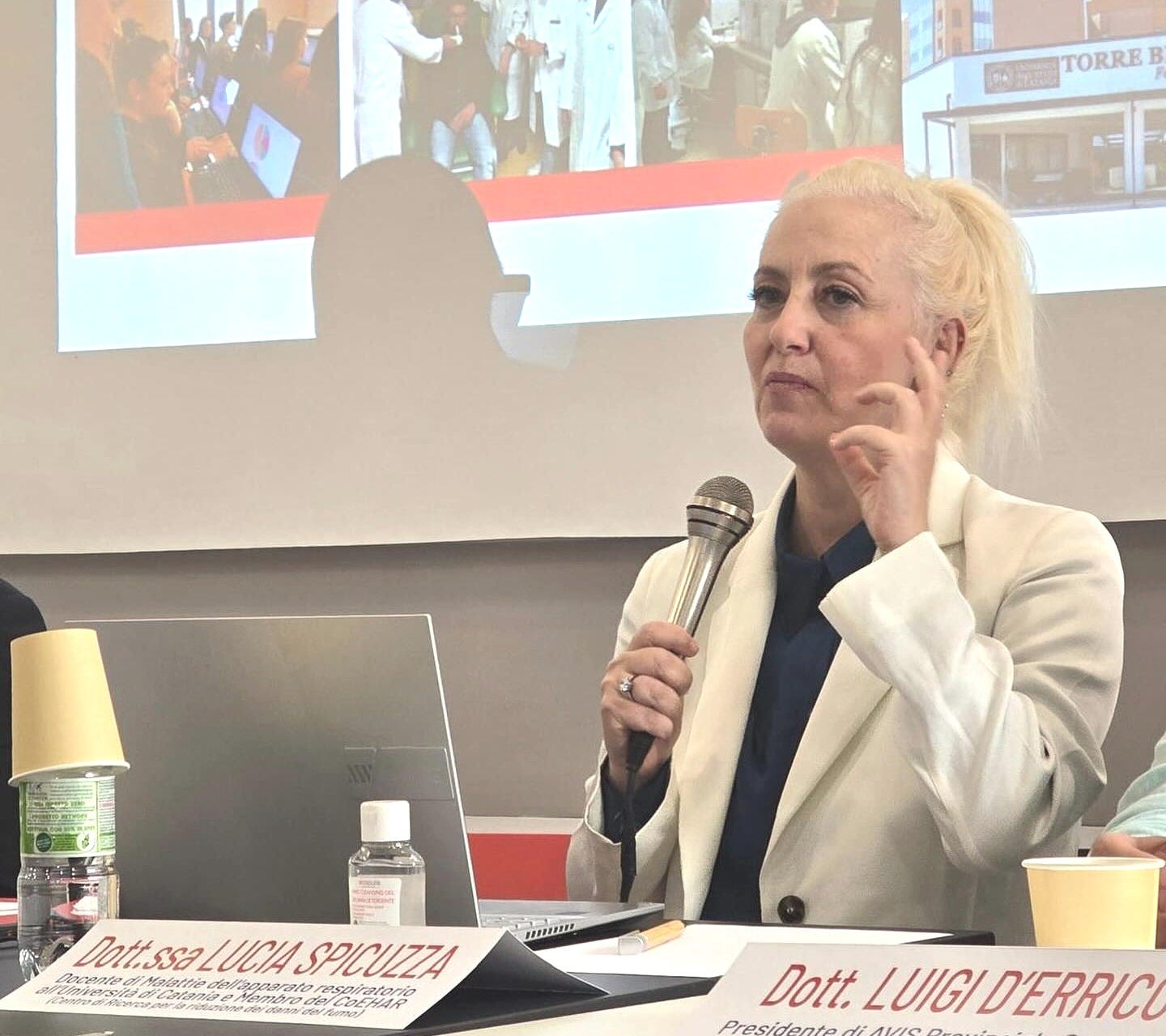
Professor Lucia Spicuzza, also a co-author, emphasizes the speed of the phenomenon. “Seeing clinically significant improvements in just a few weeks shows that the benefits of abandoning combustion are not distant promises,” she notes. “They are immediate, measurable realities.”
In a landscape where health warnings often rely on distant fears or risk horizons so remote they become almost abstract, these findings propose a different narrative: tangible, immediate, anchored in the lived experience of the breathing, moving body.

Beyond percentages and confidence intervals, CoEHAR’s studies offer a discreet yet persistent challenge to the orthodoxy that dominates public health policy.
While much of the anti-smoking campaigns have placed their faith in strategies built on images of ravaged bodies and forecasts of slow death, these studies chart a bolder alternative: to speak from hope, from immediate benefit, from the tangible possibility of reclaiming something once thought lost—quality of life.
In a field still riddled with mediocre political debates and the cultural inertia of decades, CoEHAR’s findings represent more than just a set of data: they shape an ethical argument for policies that not only restrict but also empower.
They pave the way for regulations capable of recognizing the potential of next-generation nicotine products—electronic cigarettes, heated tobacco, innovatively designed pouches—as strategic allies in the long struggle to reduce harm and save lives. It is not merely about mitigating future risks; it is about offering a concrete path to restoration for bodies ravaged by smoke, about halting deterioration, about restoring, perhaps, the ability to breathe, to smile, to move without fatigue.
Perhaps the crucial question is no longer how to reduce the harms of smoking, but how to democratize access to safer alternatives. Ensuring that the right to a less toxic future does not become a privilege reserved for those who can afford it or are better informed, but instead becomes a collective achievement—a public policy woven not only from evidence but also from compassion.
At a time when science risks becoming a repetitive, lifeless ritual of slogans on social media feeds, and public health seems trapped between political inertia, inherited fears, and corporate self-interest, an urgent need emerges: the need for a new scientific humanism. A practice that goes beyond tallying morbidity or mortality statistics, and remembers that behind every number are bodies that breathe, dream, and suffer. A humanism that thinks collectively, that places social justice and human rights at the center of its priorities. One that recognizes the fight against smoking cannot be reduced to prohibition, stigma, or moralizing, but must instead build absolute paths to emancipation, where scientific evidence is not a weapon of coercion, but a tool for freedom.
CoEHAR’s work can be seen as moving in this direction; by exploring harm reduction alternatives with both rigor and compassion, they sketch the outline of this renewed science. A science bold enough to imagine possible futures, where nicotine, severed from combustion and stigma, ceases to be a death sentence and becomes, perhaps, an opportunity for a longer, better life.
To think of public health from this perspective is to reimagine its founding mission: not merely to prolong life, but to make it more dignified. Democratizing access to less harmful products is not, ultimately, simply a technical matter; it is an act of justice. Because science, when it does not bow to dogmas or interests, can be—and perhaps must be—a profound act of humanity.